Padel Basics for First-Time Players
How padel is played and scored, and how to find a US court.
Padel is a doubles racket game played on an enclosed court, where the ball stays live off the walls after it bounces. At Wildcard Sport, we research primary rulebooks, governing body releases, and equipment standards to map out each step. Start with the rules and scoring, then find a court and hire a racket there.
Padel in One Minute
Padel combines tennis-style scoring with enclosed wall play under the global authority of the International Padel Federation (FIP). Matches take place on a court measuring 32 feet 10 inches (10 m) wide by 65 feet 7 inches (20 m) long inside, with a 0.5% tolerance. Walls and metal fencing enclose the court completely, keeping the ball in active play after it hits the ground.
A net divides the court, standing 34.6 inches (0.88 m) high at the center and 36.2 inches (0.92 m) at the outer posts. The service lines sit 22 feet 10 inches (6.95 m) back from the net.
Padel is played as doubles. The Lawn Tennis Association (LTA) notes that padel takes place only as doubles on dedicated courts, and about 90% of courts worldwide are built for doubles pairs. Each team works together to cover the court, manage rebounds off the back walls, and control the net.
Rallies rely on floor bounces before the ball reaches the perimeter. A shot that hits the opponent's wall or fence before touching the turf is out of play. Once the ball bounces legally on the turf, players may let it rebound off the back glass or mesh before returning it over the net.
The LTA states that padel is generally easier to learn than tennis because of its smaller court, underarm serve and slower ball. Most venues hire out rackets and balls, so beginners do not need their own gear for a first session.
What to Learn First
Learning padel works best by progressing from basic court geometry to rules, scoring, and court booking. Follow this order:
- Understand court layout and equipment. Read our guide on what padel is to study racket designs, ball pressure differences, and the enclosed court.
- Review service and boundary rules. Check our detailed breakdown of padel rules to see legal contact heights, service line positions, and wall fault conditions.
- Learn game counts and deuce options. Study padel scoring to see how traditional games, tie-breaks, and sudden-death points function in amateur and sanctioned play.
- Practice fundamental strokes and positioning. Read how to play padel and our padel tips for beginners to learn net movement, lobs, and back-glass recovery.
- Find a facility and start playing. Read our guides on how to start playing padel and finding a padel court near you to schedule court time and rent equipment.
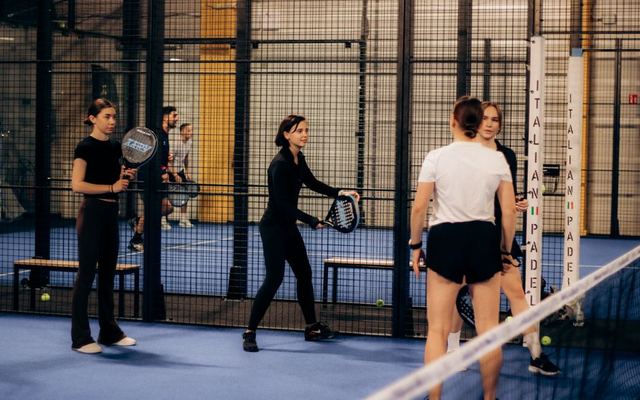 What Is Padel? Doubles Played Inside Walls
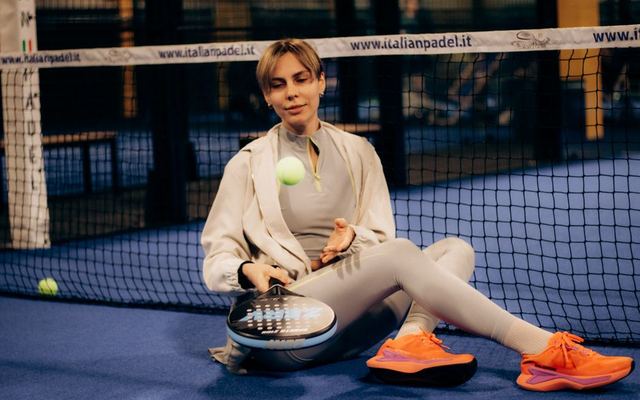 Padel Rules for the Serve and the Walls
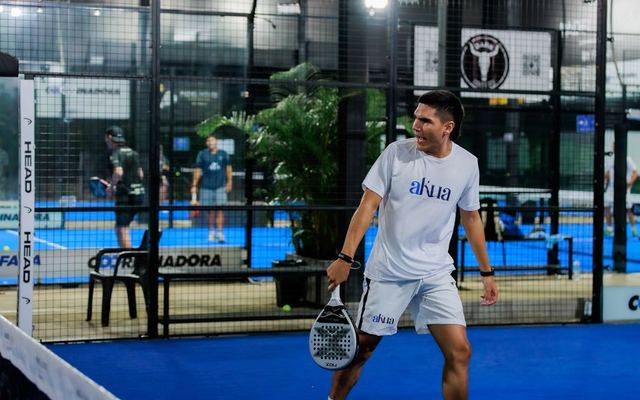 How Padel Scoring Works, With Star Point
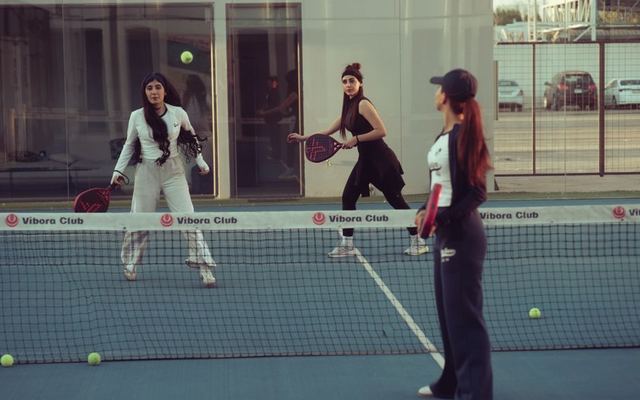 How to Play Padel, Point by Point
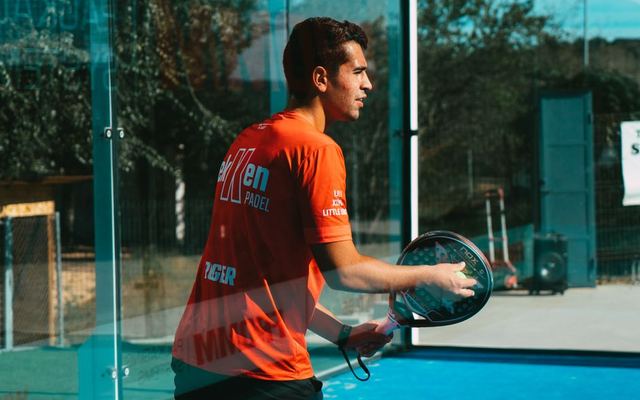 Padel Tips for Beginners to Win More Points
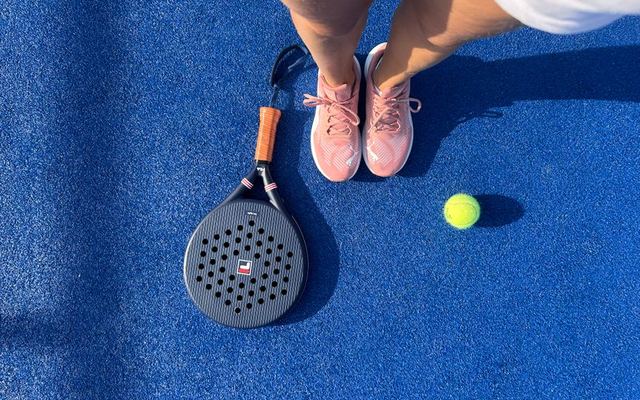 How to Start Playing Padel
Rules and Scoring
The official rules of padel require a serve struck at or below the waist after a single bounce on the turf. The current FIP Rules of Padel document carries a review of application date of January 1, 2026, approved at the federation's revision meeting in Acapulco on November 28, 2025. Every point begins from behind the service line, which sits 6.95 meters (22 feet 10 inches) back from the net.
The server must keep at least one foot on the ground during contact and hit the ball diagonally into the opponent's service box. Players receive two service attempts per point. If the ball bounces in the correct box and then touches the metal fence before the receiver hits it, the serve is a fault.
A ball that bounces in the service box and touches the glass wall remains live. During normal rallies, the ball may hit the walls or metal fencing after bouncing in the opponent's court and stays in play until its second bounce. Players can return the ball directly over the net or strike it against their own glass walls into the opponent's side.
Hitting your own metal fence is an immediate fault. Match scoring follows traditional tennis counts of 15, 30, 40, and game. A set requires six games with a two-game advantage, and tied sets move to a seven-point tie-break at six games all.
Standard matches use a best-of-three-sets format across amateur and professional tiers. Tournament play incorporates three different deuce options: advantage scoring, the golden point, and the Star Point format. The General Assembly of FIP unanimously approved the Star Point scoring system on November 28, 2025.
From 2026, Star Point operates across Premier Padel, the CUPRA FIP Tour, FIP Promises, and FIP Beyond events. In the United States, USA Padel mandates that Star Point is used in all USPA-sanctioned tournaments and matches. Under star point, teams play advantage at the first two deuces, and a third deuce goes to one deciding point, with the receiving pair choosing the side.
Finding a Court in the US
Court availability remains the primary bottleneck for players entering padel in the United States. According to USA Padel, just over 1,000 courts were open across 31 states as of April 2026.
Participation numbers show broad initial interest paired with limited regular play. The Sports & Fitness Industry Association (SFIA) 2026 Topline Participation Report, as cited by USA Padel, tracked padel for the first time and recorded that 1,073,000 Americans played padel in 2025. Of that total, only 238,000 individuals played eight or more times during the year.
Players in states without courts must travel or explore related court activities. You can plan dimensions for prospective courts with our padel court size tool or read our guide to sports like pickleball to compare accessible racket options.
Where Padel Came From
Enrique Corcuera invented padel in 1969 on his private property in Las Brisas, Acapulco, Mexico. His wife, Viviana Corcuera, drafted the sport's first rules.
The sport spread to Spain and then Argentina before developing a unified international structure. On July 12, 1991, the national associations of Argentina, Spain, and Uruguay founded the International Padel Federation in Madrid. Today, FIP operates from its international headquarters at the Maison du Sport International in Lausanne, Switzerland, overseeing 100 affiliated national federations.
American padel started in 1993, when the Houstonian Hotel Club and Spa in Houston, Texas, installed the country's first court. USA Padel, formerly known as the United States Padel Association, serves as the not-for-profit national governing body recognized by FIP. Our guide to where padel originated covers the full history.
How Many Play, and the Pro Tours
The FIP World Padel Report 2025 was published on December 2, 2025. FIP reported over 35 million players worldwide, supported by 77,300 courts and more than 24,600 clubs. These facilities span 150 nations and 20 dependent territories.
The USPA 2025 Annual Report documented 2,915 individual members at the end of 2025, representing a 53.5% increase year over year. The association counted 108 active member clubs and sanctioned 104 Open Tournaments in 2025, up from 48 sanctioned tournaments in 2024.
Professional padel underwent governance unification ahead of the 2024 season. On August 24, 2023, Qatar Sports Investments and Damm reached an agreement to acquire the World Padel Tour, merging it into Premier Padel under FIP governance. The 2026 Premier Padel calendar has 25 events across 17 countries.
Premier Padel's 2026 US event was the Miami Premier Padel P1, held from March 23 to March 29, 2026, at the Miami Beach Convention Center. Padel is also a medal sport at continental multi-sport events. The sport featured as a medal discipline at the European Games 2023 in Kraków, the South American Games 2026, and the Aichi-Nagoya Asian Games 2026.
It was also on the official medal program for the Mediterranean Games Taranto 2026. Official FIP publications do not claim Olympic status.
Our Padel Guides
Each padel guide below answers one beginner question:
- What is padelCourt layout, racket construction, ball pressure, and basic doubles roles.
- How to start playing padelPractical steps for booking courts, hiring rackets, and attending introductory classes.
- How to play padelCourt positioning, wall rebound strategies, net volleys, and transitioning between offense and defense.
- Padel rulesThe serve, the walls and the fence.
- Padel scoringDeuce, tie-breaks and the 2026 star point.
- Padel tips for beginnersTechnical advice on body stance, compact backswings, back-wall defense, and partner communication.
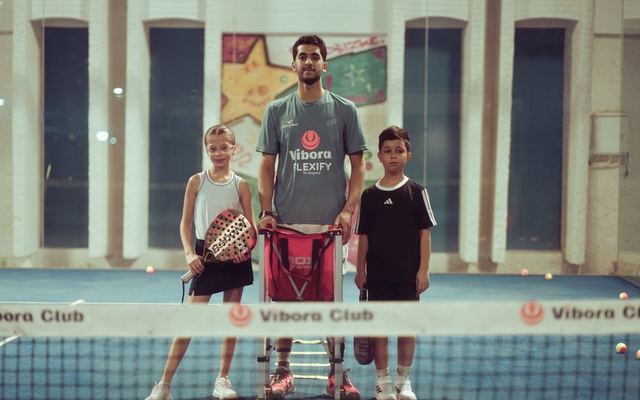 Padel courts near meHow to find and book a US court, and what it costs.
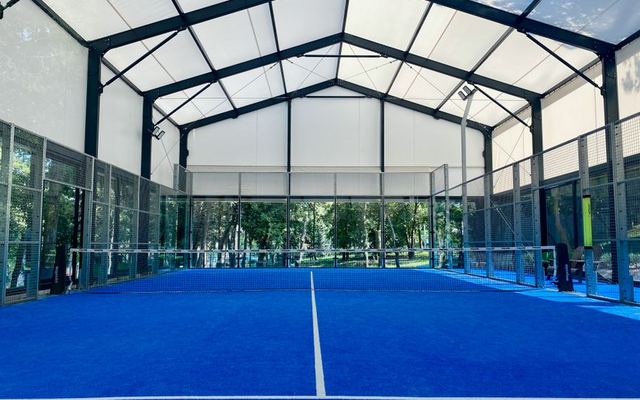 Where did padel originateThe 1969 invention in Acapulco, international expansion to Europe and South America, and federation milestones.
If you are evaluating other racquet sports, read our comparison of padel vs tennis to examine differences in court dimensions, ball speeds, and swing mechanics. You can also explore padel vs pickleball or review broader options through our new sports guides and new sport quiz. Read our guide to finding a padel court near you, then book an introductory clinic.
Frequently Asked Questions
What kind of sport is padel?
Padel is an enclosed doubles racket sport governed internationally by FIP. Matches take place on a 32 ft 10 in by 65 ft 7 in (10 by 20 m) court surrounded by walls and metal fencing. Players use solid stringless rackets to hit low-pressure balls that remain in play after bouncing off perimeter walls.
Is padel hard to learn?
No, according to the LTA, which says padel is generally easier to learn than tennis because of the smaller court, underarm serve and slower ball. Most venues hire out rackets and balls, so you do not need your own gear to start.
How is padel different from tennis and pickleball?
Padel differs from tennis through its smaller enclosed court, where the ball stays live off the walls, its serve struck at or below the waist, and its doubles-only format. Detailed court dimensions and mechanics appear in our padel vs tennis and padel vs pickleball guides.
Who governs padel in the US?
USA Padel is the national governing body for the sport in the United States. A not-for-profit, it sanctioned 104 Open Tournaments in 2025, had 108 active member clubs at the end of that year, and recognizes FIP as the international governing body.
How many people play padel?
The FIP World Padel Report 2025 recorded over 35 million padel players globally across 150 nations. In the United States, the SFIA 2026 Topline Participation Report counted 1,073,000 Americans who played in 2025, with 238,000 playing eight or more times.
Is padel an Olympic sport?
Not according to FIP, whose pages do not describe padel as part of the Olympic program. It is an official medal discipline at continental events, including the European Games 2023 in Kraków, the Mediterranean Games Taranto 2026, the South American Games 2026, and the Aichi-Nagoya Asian Games 2026.
Sources
- International Padel Federation Governance
- International Padel Federation Rules
- International Padel Federation History
- FIP World Padel Report 2025
- FIP Star Point Scoring Announcement
- FIP Tour Unification Announcement
- FIP Multi-Sport Games Report
- LTA Padel Rules
- LTA Padel vs Tennis Comparison
- USA Padel About Page
- USA Padel 2025 Annual Report
- USA Padel Participation Report
- USA Padel Rules and Regulations
- USA Padel Miami Premier Padel P1 Announcement
All Padel Guides
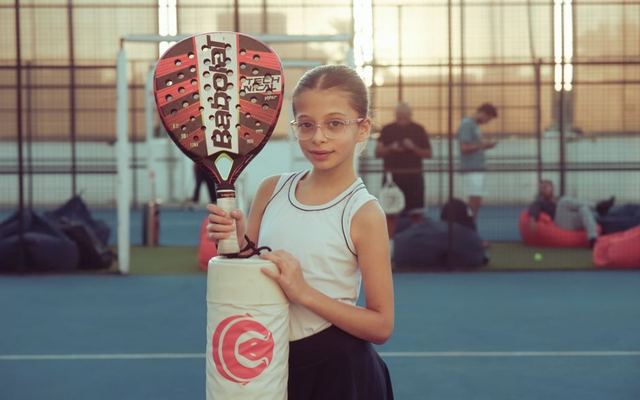 Padel Courts, From Size to CostA padel court is a fully enclosed 65.6 by 32.8 ft (20 by 10 m) area whose glass and mesh walls stay in play. See the FIP sizes and what a court costs to build.
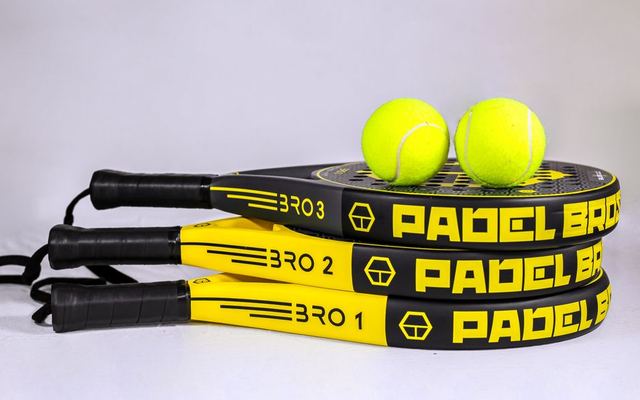 The Padel Gear You Actually NeedWhat padel equipment you need to play, with International Padel Federation (FIP) racket and ball rules and a $175.50 starter kit priced Oct 8, 2026.
- What Is Padel? Doubles Played Inside WallsWhat is padel? A doubles racket sport on an enclosed 20 by 10 meter court, scored like tennis, where the ball can be played off the walls after a bounce.
- How to Start Playing PadelHow do I get started playing padel in the US? Find a court, hire a racket at the venue, book a beginner clinic and fill your four with an open match.
- How to Play Padel, Point by PointLearn how to play padel point by point, from the coin toss and the waist-height serve to playing the ball off the glass walls after it bounces.
- Padel Rules for the Serve and the WallsOfficial padel rules from the FIP rulebook in plain English, including the waist-height serve and when the glass or the metal fence ends a point.
- How Padel Scoring Works, With Star PointUnderstand padel scoring rules, from game points and tie-breaks to the golden point and star point deuce formats used across FIP and USPA circuits.
- Padel Tips for Beginners to Win More PointsPadel tips for beginners from LTA coaching guidance, built on one idea: keep the ball in play with a short swing and let the back glass buy you time.
- How to Find a Padel Court Near YouHow to find padel courts near me in the US with the USA Padel directory and Playtomic, and what a court cost per player in a 2024 New York example.
- Where Did Padel Originate? Acapulco, 1969Where did padel originate? In Acapulco, Mexico, in 1969, on Enrique Corcuera's walled court. See how it reached Spain, Argentina and Houston.
Try a Free Tool
More Sports to Explore
 TeqballSoccer skills over a curved table, singles or doubles, with no physical contact allowed.
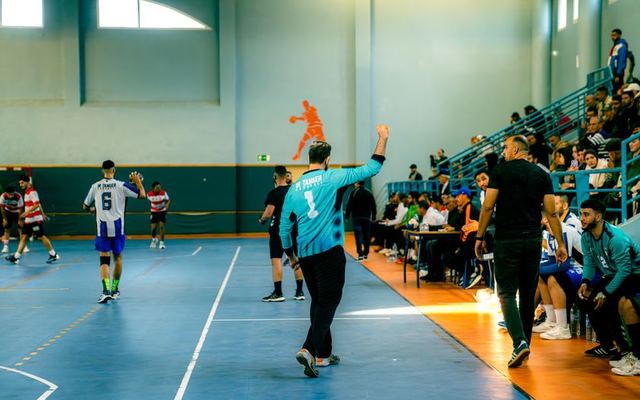 TchoukballSeven-a-side handball variant where you score off rebound frames and interceptions are banned.
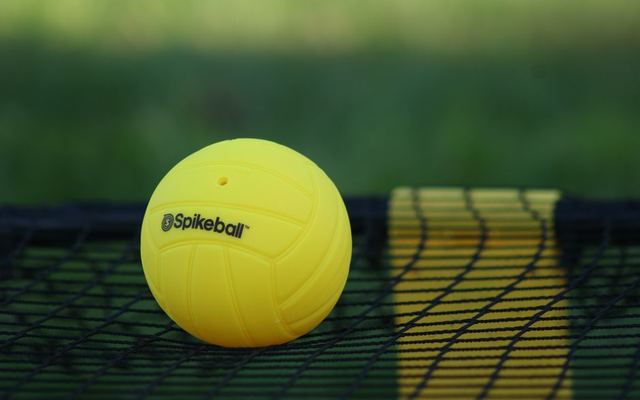 SpikeballTwo-on-two, up to three touches, then spike the ball onto a round net; no sides after the serve.
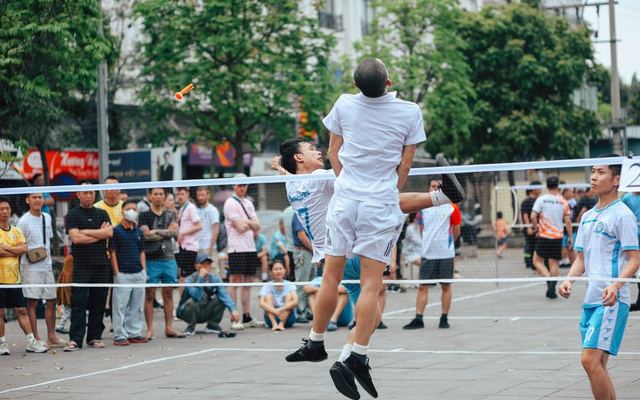 FootvolleyBeach volleyball rules, but no hands, arms or forearms: two-on-two on sand.
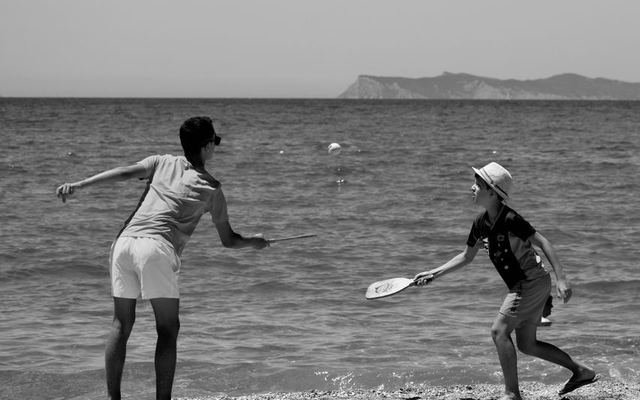 Beach TennisTennis scoring on sand with stringless rackets and low-compression balls, no bounce allowed.
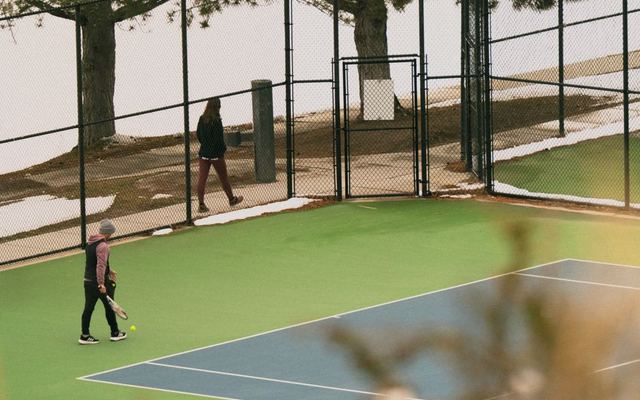 Platform TennisCold-weather doubles on a heated raised deck inside wire screens that stay in play.
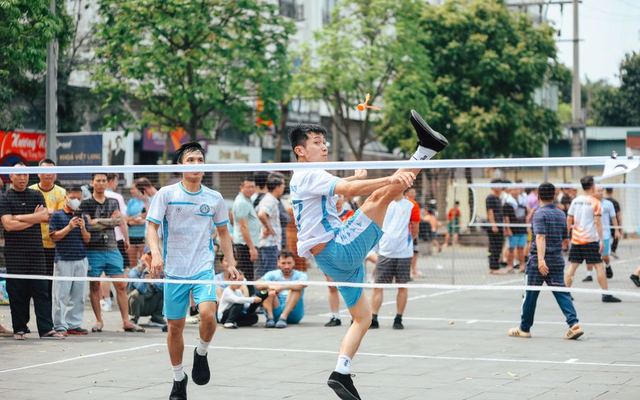 Sepak TakrawThree-a-side kick volleyball with a woven ball: feet, legs, chest and head only.
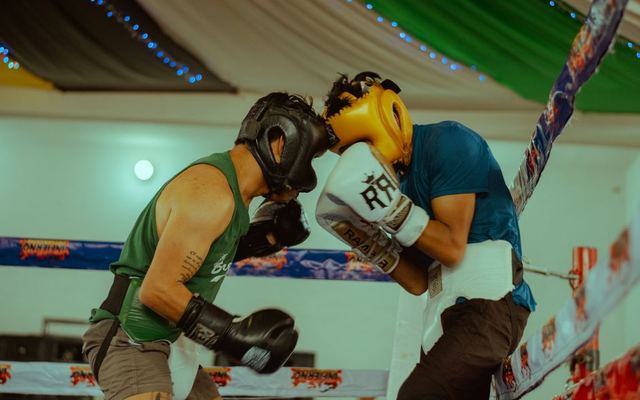 Chess BoxingOne-on-one, alternating rounds of fast chess and amateur boxing; win by checkmate or knockout.