Platform Tennis Rules and Court Dimensions
Played on a heated deck inside wire screens, and how it differs from padel.
Platform tennis is an outdoor racquet sport played in cool or cold weather on a 44 by 20 foot court set on a raised, heated deck and enclosed by 12-foot wire screens. At Wildcard Sport, we research emerging racquet sports through official federation rulebooks and governing publications. Governed by the American Platform Tennis Association (APTA), the sport operates primarily as a doubles game where shots rebounding off perimeter screens remain in play.
Players hit a flocked rubber ball over a net with a paddle. The court sits on a raised platform equipped with heating units underneath. These heaters keep the playing surface usable in bad weather and melt snow during winter matches.
Rallies continue after the ball touches the perimeter wire. APTA states that platform tennis rewards finesse, patience, and strategy, while also calling for speed, power, and quick thinking.
Court and Screen Sizes
Under APTA Rule 1a, an official court measures 44 feet long by 20 feet wide. This playing surface is laid out on a larger platform measuring 60 feet by 30 feet. Under Rule 1d, the layout provides 8 feet of space between the baseline and the back screen, along with 5 feet between each sideline and the side screen.
Tightly strung wire screens stand 12 feet high around the entire deck. The enclosure uses 1-inch hexagonal wire mesh. Under Rule 1b, the net measures 37 inches high at the posts and 34 inches at the center.
Service lines sit 12 feet from the net according to Rule 1c. Because each half of the court extends 22 feet from the net, the distance between the service line and the baseline is exactly 10 feet.
A televised news report from Denver7 described the game as a winter sport taking place on a court about a third the size of a tennis court. In that report, a club manager in Hinsdale, Illinois, noted that members play in temperatures down to zero degrees.
The Paddle and the Flocked Ball
Sanctioned play requires equipment that complies with strict manufacturing limits. APTA Rule 3 states that a paddle can measure up to 18 inches long and 12 inches wide. The paddle can weigh no more than about 17.6 ounces (500 grams).
The hitting surface must remain substantially planar. Rule 3 specifies that players may only add protective tape, lead tape, and grip wrap to their equipment.
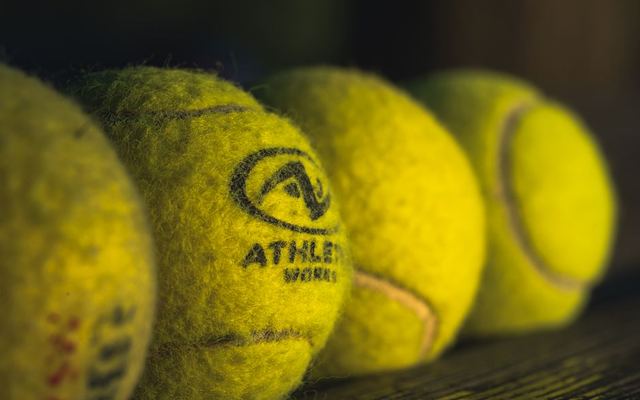
The ball is rubber with a flocked coating. Under Appendix A of the APTA rules, the ball diameter must measure between 2.4 and 2.5 inches. The ball must weigh between 2.4 and 2.7 ounces.
Green and yellow balls are approved for APTA-sanctioned play.
Serving and Playing Off the Screens
Rule 5 states that platform tennis is basically a doubles game. In doubles competition, Rule 9g permits only one serve per point. Missing that single serve results in an immediate loss of the point.
Servers enjoy delivery flexibility. Under Rule 9d, players may hit the serve overhand, underhand, or sidearm. If a serve touches the net cord and lands in the correct service court, Rule 9h dictates that the ball remains live without a let.
The receiving team must let the serve bounce before making contact. Volleying a serve directly out of the air forfeits the point under Rule 10d.
A ball that bounces in the correct court and touches a screen remains playable under Rule 14s. Defenders can wait for the ball to rebound off the wire before returning it over the net. The ball cannot bounce on the deck a second time before being struck.
Out-of-play rules remain strict. Under Rule 11, a ball is out if it hits a screen on the fly, bounces out of bounds, bounces twice, or flies over the screen. Rule 14n states that hitting a ball that rebounds off an opponent's back screen or corner back to your own side untouched loses the point.
Court maintenance issues can trigger an automatic let. If a ball passes through a hole in the wire mesh or sticks inside the screen, Rule 13d requires a let. That rule resets the rally without penalty to either team.
Scoring and Singles Play
Platform tennis scoring follows standard tennis rules under Rule 6. Games count by 15, 30, 40, and game, using deuce and advantage scoring when competitors tie. Teams must win sets by reaching 6 games with a 2-game margin, and a 7-point tiebreaker decides sets tied at 6-all.
Matches usually conclude as the best of three sets. While doubles represents the standard competition, Rule 18 establishes distinct modifications for singles. Singles matches use sidelines marked 2 feet inside the doubles sidelines.
This boundary change narrows the court width from 20 feet to 16 feet. Singles players receive two serves instead of one. Rule 18 also mandates no-ad scoring for singles games, eliminating advantage play at deuce.
How It Started in Scarsdale
The game originated in 1928 in Scarsdale, New York. Neighbors James Cogswell and Fessenden Blanchard invented the sport to provide outdoor winter recreation close to home. Cogswell completed the first platform on his property by the end of November 1928.
That inaugural court measured 48 by 20 feet. The founders used the platform largely for deck tennis.
In November 1934, organizers chartered the American Paddle Tennis Association during a meeting in John C. Ten Eyck Jr.'s New York City office. Representatives of clubs in Scarsdale, Rye and Greenwich, Connecticut, attended the meeting. In 1950, the organization changed its name to the American Platform Tennis Association.
Many players still call the sport "paddle tennis" or simply "paddle." Historical records published by the Platform Tennis Hall of Fame preserve these founding documents and early court specifications. You can compare it with other new sports such as beach tennis.
Tournaments and the Season
The American Platform Tennis Association now operates as a non-profit governing body with over 36,000 members. APTA oversees the APTA Tour and more than 275 tournaments a year. The schedule includes 47 National Championship events, alongside National Rankings and the Platform Tennis Index.
Denver7 describes it as a winter sport played from October to March. APTA says it is usually played in cool or cold weather, though some regions play year-round. The governing body notes that the sport is easy for players of all ages and skill levels to learn, making it suitable for families.
In a Denver7 news report, an orthopedic physician stated that approximately 66% of platform players suffer some form of injury. The physician noted that about 60% of those reported injuries stem from repetitive motion.
Platform Tennis vs Padel
Platform tennis and padel are both played inside an enclosure, but their court sizes and wall materials differ. Platform tennis uses a 44 by 20 foot court inside a 60 by 30 foot deck, while standard padel court dimensions are about 65.6 by 32.8 feet (20 by 10 meters).
The enclosures are built differently. Platform tennis uses 12-foot wire mesh screens. Padel courts combine walls of glass or other solid material with metal fencing.
Service rules also separate the disciplines. Platform tennis allows overhead serves and restricts doubles teams to one attempt per point. In padel, the serve is bounced and struck at or below waist height, and the server gets two attempts.
| Feature | Platform Tennis | Padel |
|---|---|---|
| Court dimensions | 44 x 20 ft (deck 60 x 30 ft) | 65.6 x 32.8 ft (20 x 10 m) |
| Enclosure walls | 12-ft hexagonal wire mesh screens | Glass or other solid walls plus metal fencing |
| Primary season | Cool or cold weather with heated decks | Year-round indoor or outdoor play |
| Serving rules | One serve in doubles, overhand allowed | Two serves, bounced and struck at or below the waist |
| Ball construction | Flocked rubber ball | Low-pressure ball |
For the padel side of that comparison, see padel vs tennis. If you are still choosing, take our new sport quiz. To start playing platform tennis, read the APTA rules before your first match.
Frequently Asked Questions
What is the difference between platform tennis and paddle tennis?
Platform tennis and paddle tennis are common club names for the same sport. The national governing body was chartered in 1934 as the American Paddle Tennis Association before changing its title to the American Platform Tennis Association in 1950. Many recreational players continue to refer to the game as paddle tennis or simply paddle.
Is platform tennis the same as padel?
No, platform tennis and padel are distinct sports with different courts and rules. Platform tennis uses a 44 by 20 foot court enclosed by 12-foot wire mesh screens and heated decks. Padel uses a 65.6 by 32.8 foot (20 by 10 meter) court enclosed by glass walls and fencing, and its serve is struck at or below waist height.
How big is a platform tennis court?
An official platform tennis court measures 44 feet long by 20 feet wide. The court is laid out on a raised platform measuring 60 feet by 30 feet, providing 8 feet of space behind each baseline and 5 feet along each sideline. Tightly strung wire screens standing 12 feet high enclose the entire platform area.
Why are platform tennis courts heated?
Courts use heaters beneath the raised platform to melt snow and keep the surface playable during cold weather. A Hinsdale, Illinois, club manager told Denver7 that players go down to about zero degrees.
Can you play platform tennis singles?
Yes, singles play is permitted, although APTA Rule 5 describes the sport as basically a doubles game. Under Rule 18, singles matches use sidelines positioned 2 feet inside the doubles lines, narrowing the court width to 16 feet. Singles competitors receive two serves per point and use no-ad scoring.
Do you get two serves in platform tennis?
No, doubles players receive only one serve per point under APTA Rule 9g. If the server misses that single delivery, the receiving team wins the point immediately. The only exception occurs in singles competition, where Rule 18 allows two serves.
Can you play the ball off the fence in platform tennis?
Yes, a ball that bounces in the correct court and touches a wire screen remains in play. Under Rule 14s, players can return the ball off the 12-foot screen as long as it has not bounced a second time on the deck. A ball that hits the screen on the fly without bouncing on the deck is out of bounds.
What equipment do you need for platform tennis?
You need an approved paddle and a flocked rubber ball to play. Under APTA rules, the paddle must measure up to 18 inches long by 12 inches wide and weigh no more than 500 grams. The official rubber ball measures 2.4 to 2.5 inches in diameter, weighs 2.4 to 2.7 ounces, and features green or yellow flocking.
Sources
- American Platform Tennis Association - What is Platform Tennis
- American Platform Tennis Association - Official Rules
- American Platform Tennis Association - About the APTA
- American Platform Tennis Association Homepage
- Platform Tennis Hall of Fame - The Founders
- Platform Tennis Hall of Fame - Founding of the Association
- Platform Tennis Hall of Fame - Association Records
- Platform Tennis Hall of Fame - Historical Overview
- Denver7 News - National Report on Platform Tennis
Try a Free Tool
More Sports to Explore
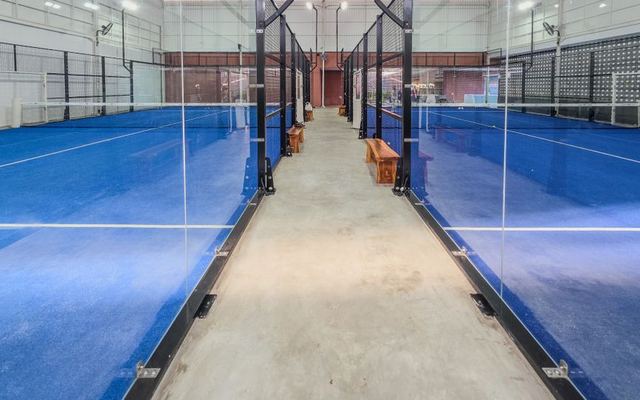 PadelDoubles racket sport on an enclosed 20 x 10 m court where the walls stay in play.
 TeqballSoccer skills over a curved table, singles or doubles, with no physical contact allowed.
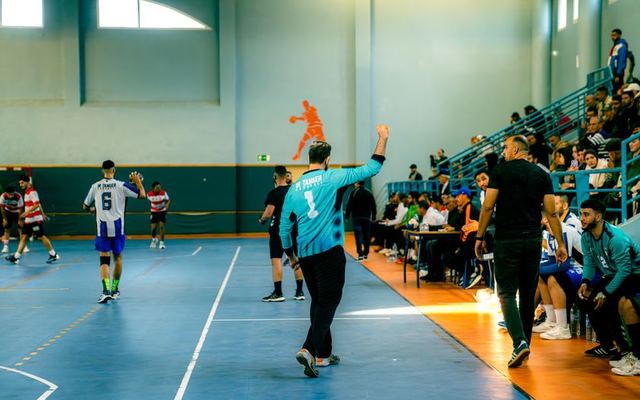 TchoukballSeven-a-side handball variant where you score off rebound frames and interceptions are banned.
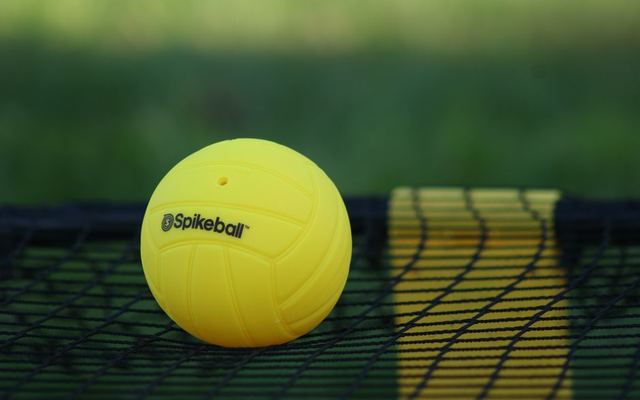 SpikeballTwo-on-two, up to three touches, then spike the ball onto a round net; no sides after the serve.
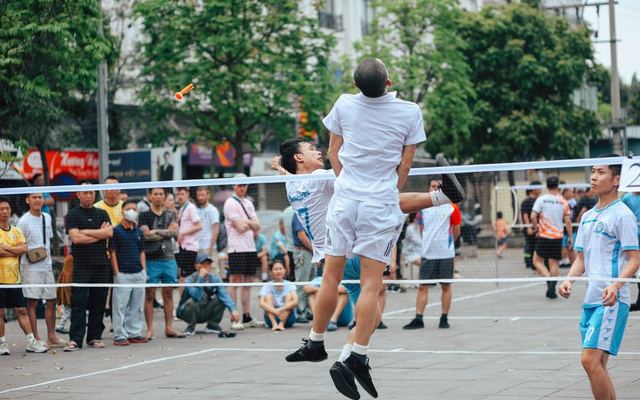 FootvolleyBeach volleyball rules, but no hands, arms or forearms: two-on-two on sand.
 Beach TennisTennis scoring on sand with stringless rackets and low-compression balls, no bounce allowed.
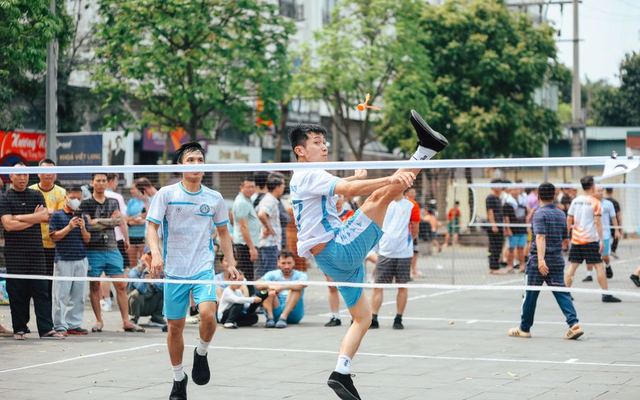 Sepak TakrawThree-a-side kick volleyball with a woven ball: feet, legs, chest and head only.
 Chess BoxingOne-on-one, alternating rounds of fast chess and amateur boxing; win by checkmate or knockout.